





Start at the Very Top
Winter leaves a mess behind. Dead leaves pile up, block downpipes, and create a soggy nightmare up high. Grab a sturdy ladder and scoop out that sludge before the spring storms hit. Blocked gutters force rainwater to pool and eventually spill backwards into the roof cavity. That ends poorly for everyone.
Spotting cracked or slipping tiles early is the smartest move a property owner can make. Engaging a professional for proper roof repairs keeps small leaks from turning into structural disasters. Don’t risk a DIY job on a steep pitch. Just let the experts handle it.
Did you know homes with properly maintained gutters see a 40% drop in ceiling water damage claims? It pays to look up. Also, check the chimney if the house has one. Birds love nesting in them during the colder months, which creates a massive fire hazard the next time you light a fire.
Inspect the Hidden Water Traps
Water damage doesn’t just come from the sky. It usually starts right under the bathroom sink. Flexible braided hoses are the silent enemy of a dry house. They look tough. They aren’t. They rust, fray, and burst with zero warning. Run a finger along the braided steel. Feel a sharp wire? Replace it today. A tiny rust spot means the internal rubber is already failing.
Flushing the hot water unit is another task easily forgotten. Sediment builds up at the base over winter. This forces the unit to work harder and hikes up the energy bill. A healthy plumbing system needs regular maintenance to handle the changing water pressures as temperatures rise. Check the outdoor taps too. Frost can crack internal washers, causing a slow drip that wastes thousands of litres a year.
The laundry is another danger zone. Washing machine hoses endure constant pressure spikes. Swap out standard rubber hoses for flood-proof models that automatically shut off if a leak is detected. It takes five minutes and saves thousands in flooring repairs.
Prepare the Grounds and Timbers
Spring in Australia means bushfire season is right around the corner. Preparation starts right now. Clear out dry undergrowth, dead leaves, and snapped branches from the yard. Keep mulch well away from the exterior brickwork. Sparks travel fast on windy days.
Timber decks take an absolute beating in damp winter soil. Walk the deck and look for popped nails or spongy boards. Give the handrails a firm shake. If they wobble, the next family barbecue could end in disaster. Termites also wake up hungry in spring. Piles of damp timber near the house are basically an open buffet. Move firewood off the ground and store it as far from the main structure as possible.
Lock Down the Entry Points
Warmer weather means throwing open the windows to let the fresh air inside. It also means an open invitation for opportunists if the screens are faulty. Check the tracks, latch mechanisms, and the aluminium mesh itself. A torn flyscreen won’t stop a mosquito, let alone a determined intruder.
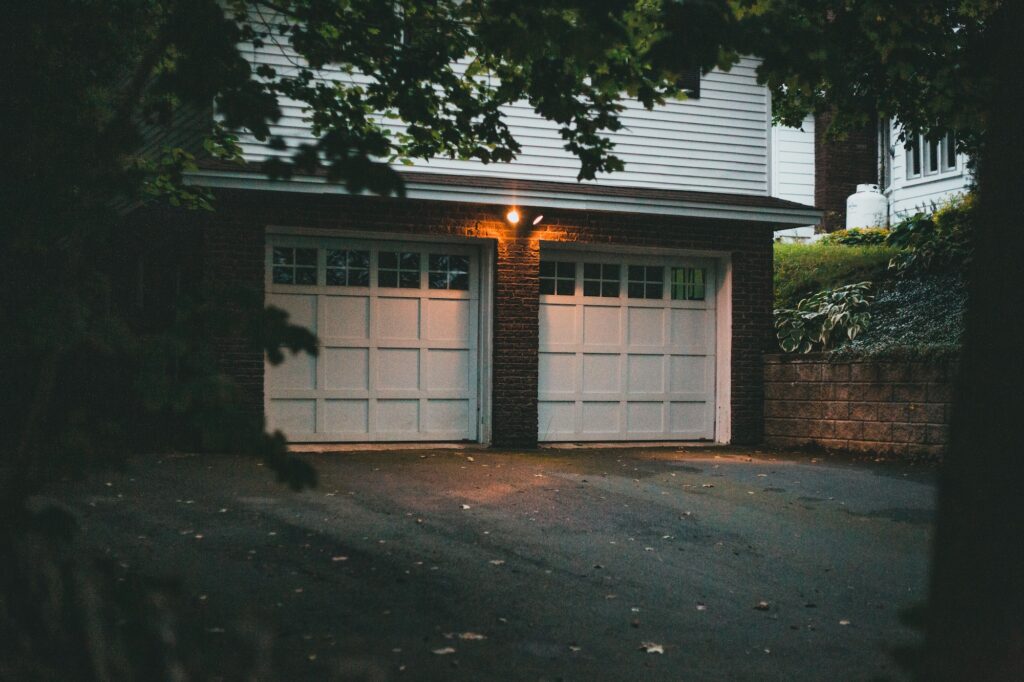
The biggest moving part of any house is usually the garage. It gets opened and closed dozens of times a week. The tracks gather grime, and the tension springs stretch out over time. Spraying a little lithium grease on the hinges stops the squeaking immediately. For the heavy lifting, contacting local garage door suppliers for a proper mechanical service keeps the motor running quietly and safely. A snapped tension spring sounds like a gunshot and can cause severe injury.
Test the perimeter lighting next. Spiders love building thick webs over motion sensors, blinding them completely. Wipe down the sensor faces and swap out any flickering globes. Well-lit exteriors deter unwanted guests instantly.
Clear the Air and Test the Tech
Heating units work overtime through July and August. The filters are now choked with dust, pet hair, and pollen. Breathing that in all spring? Gross. Slide the filters out and wash them in warm soapy water. Let them dry completely in the bright sun before putting them back. Clean filters reduce running costs by up to 15%.
Smoke alarms need more than just a quick button press. The button only tests the battery, not the actual smoke sensor. Grab a can of artificial smoke from the hardware store and give them a quick spray. If the alarm stays silent, the unit is dead. Check the manufacturing date stamped on the back. They expire after exactly ten years. Throw out the old ones and install interconnected photoelectric alarms. They detect smouldering fires much faster than the outdated ionization models.
Finally, check the electrical switchboard. Trip the safety switches manually to ensure they snap back into place correctly. A sticky safety switch will not save a life during an electrical fault. If the switch feels rigid or fails to cut the power, call a licensed electrician immediately.