




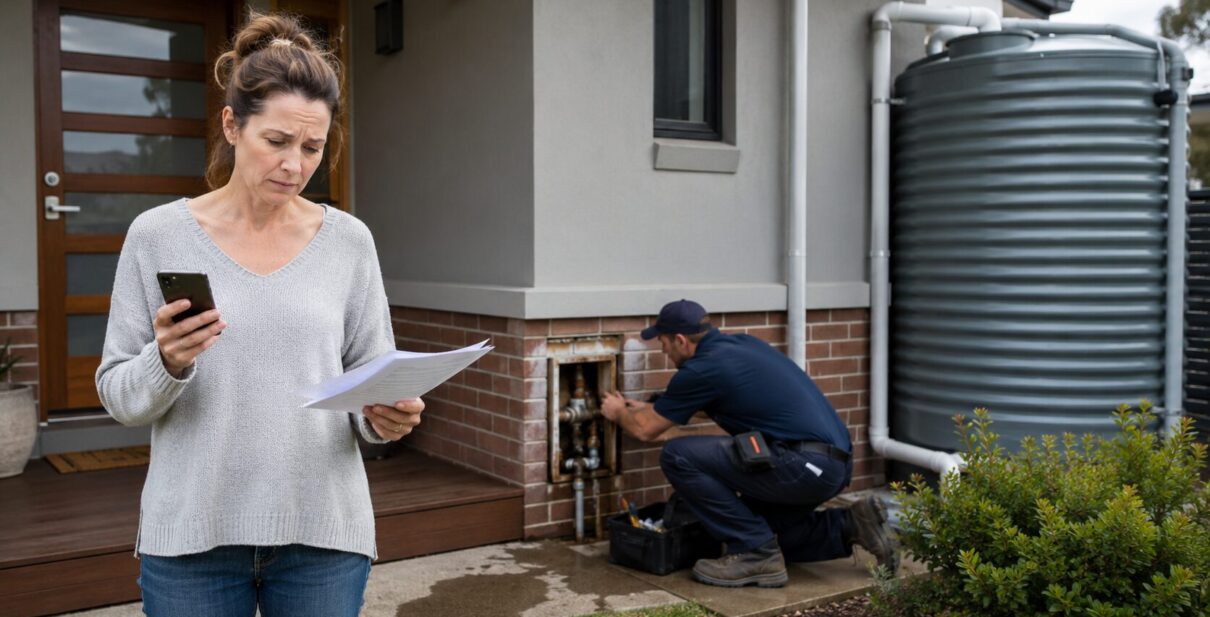
A slow drip under the sink can feel harmless. Annoying, sure, but not urgent. Then the cabinet starts to swell, the floor feels soft, and suddenly that “small leak” has become a proper insurance headache.
Home insurance usually works best when the problem is sudden and unexpected. A pipe bursts. A fitting fails. Water escapes from an internal plumbing system and damages floors, walls, ceilings or built-in cabinetry. That kind of event may be covered, depending on the policy wording and the cause.
The hard part is proving it happened suddenly.
Insurers tend to separate accidents from maintenance problems. A pipe that bursts behind a wall is one thing. A leak that has been staining plaster for six months is another. One looks like bad luck. The other can look like something that should have been fixed earlier.
That small distinction can change the whole claim.
Burst pipes are often covered, but the details matter
Burst pipes are one of the plumbing issues more likely to fall within a home insurance policy. They can happen because of ageing fittings, pressure changes, accidental impact, shifting ground, tree roots or renovation work that has disturbed older pipework.
When a pipe bursts without warning, the insurer may cover the damage caused by the escaping water. That might include damaged flooring, cabinets, plaster, paint or other insured parts of the home.
Here’s the catch. The policy may not cover the cost of repairing or replacing the actual pipe that failed. It may cover the mess, not the faulty part.
Frustrating? Absolutely. But common.
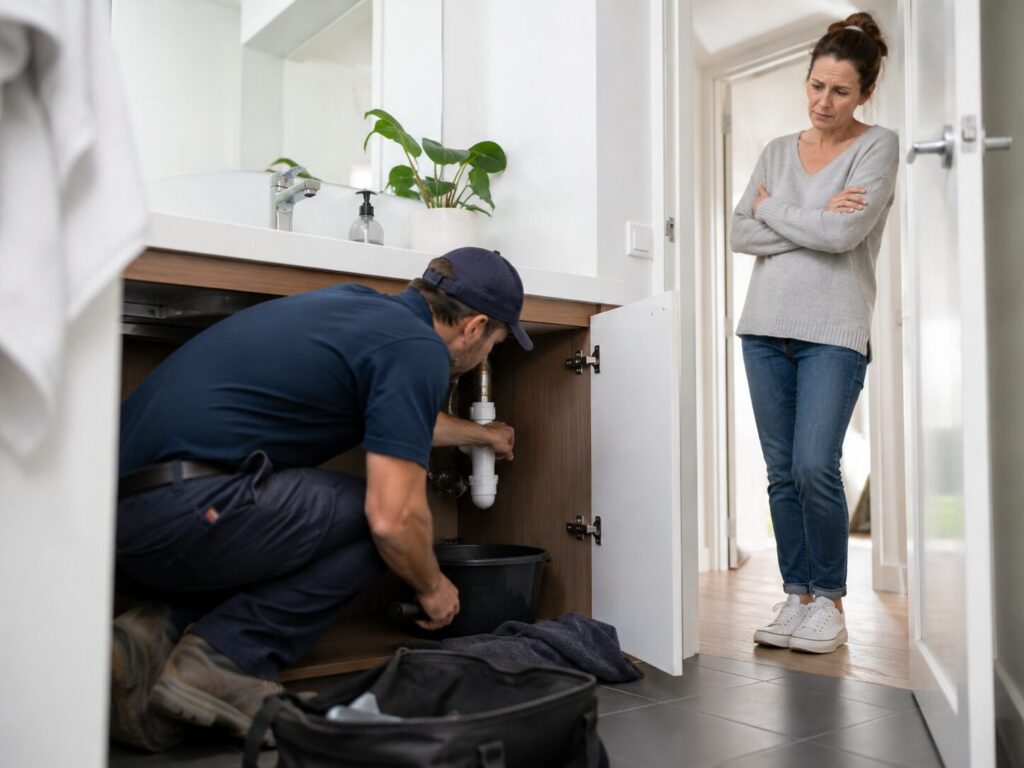
In older Sydney suburbs, this can get messy fast. A homeowner might call a Redfern plumber to inspect a burst or leaking pipe in a terrace, apartment or renovated home around Redfern, where older plumbing can sit behind newer finishes. A clear report from the plumber can help show what failed, where it failed and whether the issue looked sudden or long-running.
That kind of paperwork feels boring right up until it saves a claim.
Slow leaks are where claims get complicated
Gradual leaks are a different story. Insurers often push back when a problem has built up over time, especially if there were warning signs.
Think mould. Bubbling paint. A damp smell in a room that should be dry. Warped skirting boards. Stains on the ceiling. None of these signs should be ignored, even if they seem minor at first.
This is where homeowners can get caught out. Not every leak is obvious. Some sit behind tiles, under cabinets or inside wall cavities. The trouble is, once an insurer sees signs that the issue was developing for weeks or months, they may argue that the damage came from poor maintenance rather than an insured event.
It sounds harsh. Sometimes it is.
Still, quick action helps. The moment a leak appears, it should be documented and repaired. Take photos. Turn off the water if needed. Call a qualified tradesperson. Keep the invoice. A simple timeline can make a claim much easier to explain later.
Guesswork does not help. Dates do.
How water storage problems may be treated
Water tanks, pumps and connected storage systems add another layer to the question. These systems can support garden watering, household supply, stormwater use or backup storage, especially on larger blocks or homes designed to reduce mains water use.
Insurance cover depends on what failed and why.
A sudden split in a connected tank fitting may be viewed differently from rust, corrosion, poor installation or a tank that has simply reached the end of its useful life. If the tank itself has deteriorated over years, replacement may not be covered. If escaping water damages insured parts of the home, the insurer may assess that damage separately.
This is why maintenance records matter. If a property owner arranges water tank repairs after spotting cracks, valve issues, pump faults or leaks around the base, the invoice should be kept with other home maintenance records. It shows the issue was not ignored.
Insurers like evidence. Not “it seemed fine last summer” energy. Actual evidence.
Maintenance can make or break a claim
Home insurance does not replace basic property care. That includes plumbing, gutters, drains, roof spaces, hot water systems, tanks, appliances and fixtures that could leak.
Nobody needs to inspect every pipe with a torch every Saturday morning. That would be a bit much. But regular checks do help. Look under sinks. Check around toilets and laundries. Pay attention to musty smells. Replace cracked hoses. Fix loose taps. Don’t ignore mystery puddles.
A small sign can be the only warning before a bigger problem arrives.
Landlords need to be especially careful. If a tenant reports a leak and nothing happens for weeks, that delay can hurt a future claim. Property managers should keep written records of reports, inspection dates, repair bookings and completed works. A neat email trail can be worth more than a long explanation after the fact.
The best approach is simple: fix the source early and keep proof.
What to keep before making a claim
Good documentation makes plumbing claims less painful. Photos should show the leak source, affected rooms, damaged flooring, swollen cabinetry, stained walls or any other visible impact. Videos can help too, especially if water is actively escaping.
Trade invoices are important. So are repair notes, reports, emails, texts to property managers, tenant messages and receipts for urgent works. If temporary repairs were needed to stop the problem getting worse, keep those records as well.
Dates matter. Write them down while they are fresh.
When was the leak noticed? When was the water turned off? When did the plumber attend? When were photos taken? When did repairs start?
This does not need to become a giant investigation board with red string and sticky notes. A clear timeline is enough. It helps the insurer understand what happened and shows that reasonable steps were taken.
Common exclusions homeowners should check
Every policy has its own wording, but many home insurance policies exclude wear and tear, rust, corrosion, gradual deterioration, faulty workmanship, defective materials and poor maintenance. Some may also limit cover for outdoor systems, pumps, retaining walls, landscaping or external tanks.
This is where the Product Disclosure Statement earns its keep.
Not exciting reading. Fair. But useful.
The section on escaping liquid is worth checking before there is a problem, not after. It explains what the insurer means by leaks, burst pipes, overflow and related damage. It may also explain when the actual repair cost is excluded, even if the resulting damage is covered.
Excesses should also be checked. For a small leak, the repair cost might sit below the policy excess. In that case, making a claim may not be worthwhile. Larger events are different, especially if floors, walls or cabinets need repair.
What to do when a leak or pipe failure happens
The first job is to stop the problem getting worse. Turn off the water if it is safe. Move furniture, rugs and valuables away from the affected area. Arrange urgent repairs if needed.
Then document everything.
Photos before cleanup. Photos during repairs. Photos after. Keep the broken part if practical, at least until the insurer says it can be thrown out. Ask the tradesperson for a short written explanation of what failed and what work was completed.
When speaking with the insurer, stick to the facts. Explain what was found, when it was found and what action was taken. Avoid guessing about causes unless a qualified tradesperson has confirmed them.
Leaks, burst pipes and storage system failures can be covered, but the reason behind the problem matters. Sudden events usually stand a better chance than long-term deterioration. Fast repairs help. Good records help more.
A home does not need perfect maintenance to have a valid claim. It does need reasonable care, quick action and a clear story backed by proof.