



A sense of pride and stability, a lasting feeling, accompanies homeownership with accompanying responsibilities often underestimated. Insurance claims are mostly engendered by a series of small issues that develop over time. These problems are often not known by the homeowners until they have become so big through damage that they require professionals and the involvement of insurance companies. With this in mind, knowing parents can be shrewd enough to identify and be preoccupied about them.
Water Damage That Starts Small
Unforeseen insurance claims are so common because of water damage. Moisture buildup can occur behind a wall due to faulty or burst pipes or old plumbing, actually showing visible damage much later. This may have done the slow damage to building materials already, causing flooring damage, as encouraging the growth of another threat – mold. The other side of discovery of a water issue is devastating damage and reconstruction.
Drainage issues can also be very important factors. Isolated plumbing incidents, say Eastern Suburbs blocked drains, tend to start off as mere annoyances at the beginning and grow into flood risks or even sewer restoration cases. These cases are associated with unwarranted and frightening costs especially after-hours or during bad weather when they are noted.
Structural Wear and Foundation Shifts
Houses usually settle naturally over a period of time. The worsening of the soil, poor drainage, or construction defects may pave the path for structural damage very quickly. Many times, people dismiss the cracks in walls, sagging floors, and doors sticking into one another as only cosmetic issues. These discrete signs may, though, lead to extensive foundational problems; any of them may, in consequence, threaten one day the safety of the property.
Insurance policies vary widely when it comes to structural damage. Some causes may be covered, while others are excluded. This makes early attention critical. Routine inspections and timely repairs can reduce the likelihood of sudden structural failures that trigger insurance claims.
Roofing and Exterior Neglect
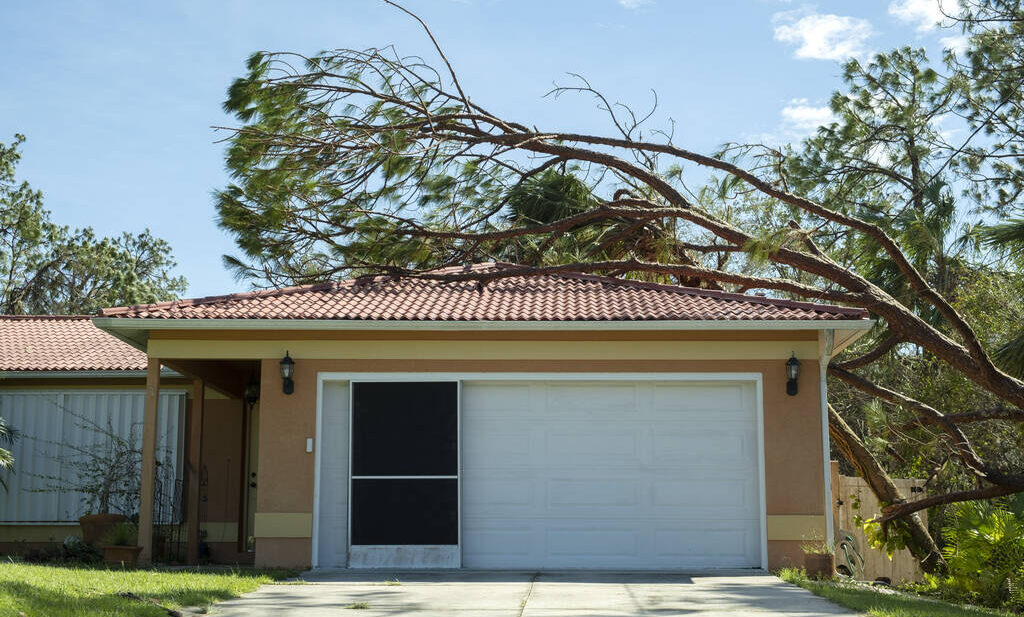
Roofing is one of the residential home’s items that is constantly under fire, and yet most often people usually don’t take time to consider it until they discover serious damage. Often, these missing shingles, minor leaks, or an old material can actually let water straight through the insulation and, right through the ceiling. Worse, a storm will make some of those items worse, turning what had been easily fixed into a home in need of major repair.
Downspouts and exterior siding alongside gutters are also crucial to safeguarding the property. Misplacement of these however may lead to increased moisture damage probability. In most cases, the need for expensive fees for repairs or insurance is based on the level of preventive care in the areas indicated.
Electrical Issues and Fire Risks
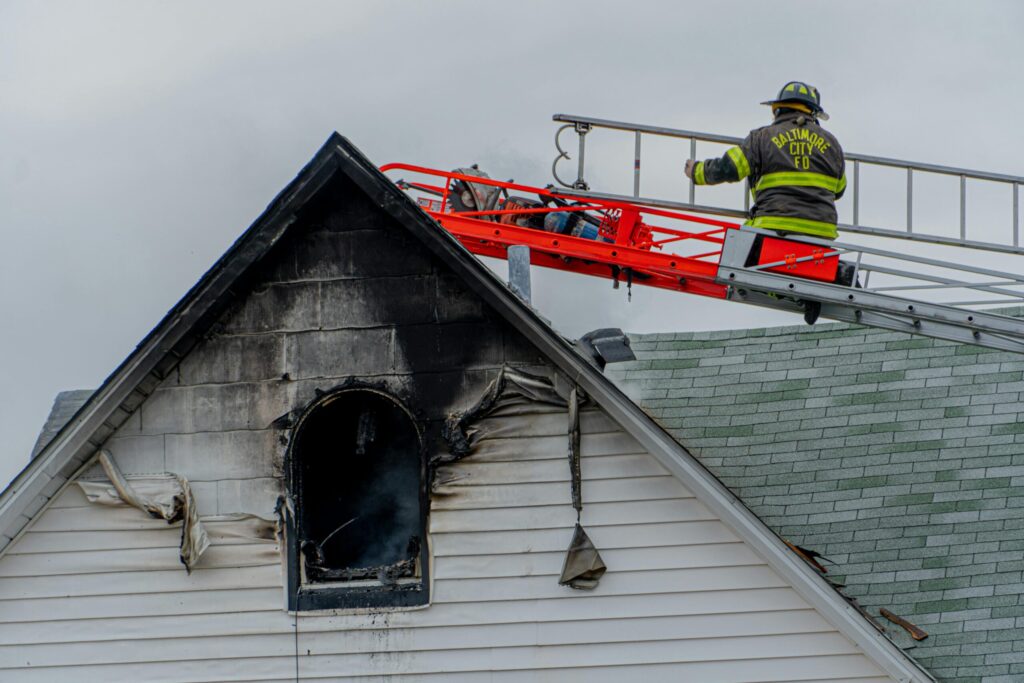
Electrical systems get old like all other parts of a house. They can be fire hazards because of old wiring, overloaded circuits, or hazardously loose outlets. Not every homeowner realizes this risk in the state of a power outage, burning smell, or visible damage.
Fires caused by electrical faults are dangerous and heart-wrenching; even insurance can negotiate something with the damage but cannot count the whole loss of life and disruption. Persons qualified to assess properties should be conducting regular assessments of risks before the disasters happen.
Construction and Renovation Oversights
Home improvement projects always usher in new risks and threats. The main threat with renovations is an exposed abode that could risk getting weather-damaged or, worse, stolen; not to mention there could be accidental structural issues. Coordination issues and not owning parts of the work can always affect insurance coverage.
Projects involving custom home builders tend to include multiple stages and trades, increasing the importance of proper insurance planning. Temporary exposures during construction are a common source of claims when unexpected weather or site accidents occur.
Appliance Failures and Hidden Damage
When it comes to major kitchen and clothing appliances, the water heaters, the washers, and the dishwashers happen to cause the most damage and highest insurance claims on a frequent basis. These damages may result from a hose cracking or from a seal that has failed, however, parts in the system wear out gradually over time. These pieces may remain in operation until they reach a phase of complete breakdown, thereby posing a substantial risk of destruction and creating a huge loss very shortly thereafter.
The quicker the water seeps under the floors, into walls, and into multiple floors of the house, the harder it becomes to check damage caused by the use of appliances. Regular checks and immediate replacement of an appliance at the onset of aging can reduce this potential risk to way down.
Weather Related Vulnerabilities
Weather disturbances go beyond certain regions and there are no specificities in the current situation. Such unexpected and abrupt tilts can lead to extremely unfavorable conditions regarding extra moisture, heavy winds, or sudden extreme temperature fluctuations. Poor drainage, old roofs, or open jams further make the house vulnerable.
Insurance policies will specify whether damages are caused due to a singular event or due to the natural decay of that which is insured. This makes preventive maintenance of the property more important in order to ensure coverage when the extreme weather conditions which the homeowner cannot prepare for, which demands insurance, occur.
Why Awareness Matters
Many homeowners assume insurance will resolve any major issue, but coverage limits and exclusions can lead to unpleasant surprises. Claims processes are often smoother when damage is clearly linked to sudden and unforeseen events rather than long term neglect.
Understanding common property issues empowers homeowners to take action early. Small repairs, routine inspections, and awareness of how systems age can prevent stress, financial strain, and disruption. Staying informed helps ensure that insurance serves as a safety net rather than a last resort.